
Taking care of your hair does not have to mean following a complicated routine or buying dozens of products. The best hair care routine is one that keeps your scalp clean, helps your hair retain moisture, minimizes breakage, and fits your hair type and lifestyle.
Whether your hair is straight, wavy, curly, fine, or thick, a few consistent habits can make it easier to manage. These include choosing suitable shampoo and conditioner, detangling gently, limiting excessive heat, and avoiding hairstyles that pull tightly on your roots.
In this guide, you will learn how to take care of your hair step by step, build a simple routine, choose products more thoughtfully, and recognize when a hair or scalp concern needs professional attention.
Quick Guide: The Basics of Healthy Hair Care
If you are new to hair care, start with these habits:
- Wash your hair according to how oily or dirty your scalp becomes.
- Apply shampoo mainly to your scalp rather than vigorously rubbing the lengths.
- Use conditioner after shampooing to improve softness and manageability.
- Detangle gently, starting at the ends and working upward.
- Blot away excess water instead of rubbing your hair roughly with a towel.
- Limit high heat and use a lower temperature when styling.
- Avoid hairstyles that create persistent tension around your hairline.
- Choose products based on your hair’s needs instead of following every trend.
You do not need to change everything at once. Begin with the habits that address your biggest concerns, then adjust your routine as you learn what works for your hair.
1. Understand Your Hair Type and Needs
Before choosing products or setting a washing schedule, consider your hair’s texture, thickness, and condition.
Straight hair

Straight hair may show oiliness sooner because scalp oils can travel along the strands relatively easily. Lightweight conditioners and styling products may help prevent the hair from feeling weighed down.
Wavy hair

Wavy hair can range from relatively straight at the roots to more defined waves through the lengths. A lightweight conditioner, gentle detangling, and styling products suited to your desired finish may help you manage frizz without flattening your waves.
Curly and coily hair

Curly and coily hair can be more vulnerable to tangling and breakage, particularly when it is dry or handled roughly. Conditioning, careful detangling, and reducing unnecessary manipulation can make everyday care easier.
Fine or thick hair

Fine hair describes the diameter of individual strands, while thick hair can refer to either larger strands or a greater amount of hair. Fine strands may become weighed down by heavy products, whereas dense or coarse hair may need more time for thorough washing, conditioning, and detangling.
These categories can overlap. For example, you may have fine, wavy hair or thick, curly hair.
Practical tip: Pay attention to how your scalp feels between washes, how easily your hair tangles, and which products leave it manageable. These observations are more useful than trying to fit yourself into a single hair-type label.
For more detail, see our upcoming guide to identifying your hair type and choosing a suitable routine.
2. Wash Your Hair at the Right Frequency
There is no single washing schedule that works for everyone. The right frequency depends on your scalp’s oil production, hair texture, activity level, styling products, and personal comfort.
If your scalp becomes oily quickly, you may need to shampoo more frequently. If your hair is very dry, curly, coily, or prone to breakage, you may prefer a less frequent schedule, provided your scalp remains clean and comfortable.
How to wash your hair properly
- Wet your hair thoroughly. Use comfortably warm water rather than water that feels excessively hot.
- Apply shampoo to your scalp. Use your fingertips to massage gently. Avoid scratching with your nails.
- Rinse thoroughly. Let the shampoo rinse through the lengths without aggressively rubbing them.
- Repeat only when needed. A second wash may be useful if your scalp has substantial oil or product buildup, but it is not necessary every time.
- Apply conditioner. Concentrate on the areas that need conditioning, especially the lengths and ends. Adjust placement to your hair type and product directions.
- Rinse as directed. Rinse-out conditioner should generally be rinsed away rather than left in the hair.
If your scalp is consistently itchy, irritated, or flaky despite a suitable washing routine, consider whether a scalp condition or product irritation may be involved.
Read our related guide: How Often Should You Wash Your Hair?
3. Choose the Right Shampoo and Conditioner
You do not need the most expensive hair care products to build a useful routine. Start with products that match your scalp and hair needs.
How to choose shampoo
Consider a shampoo that addresses your main concern:
- Oily scalp: A suitable cleansing shampoo may help remove excess oil and buildup.
- Dry or fragile lengths: A gentler formula may be more comfortable, especially if your hair is prone to tangling.
- Product buildup: You may occasionally benefit from a clarifying shampoo, depending on your products and scalp needs.
- Flaking or persistent dandruff: A dandruff shampoo with an appropriate active ingredient may be more suitable than an ordinary cosmetic shampoo.
A shampoo marketed for a particular hair type is a starting point, not a guarantee that it will suit you. Stop using a product that causes persistent burning, itching, or irritation.
Why conditioner matters
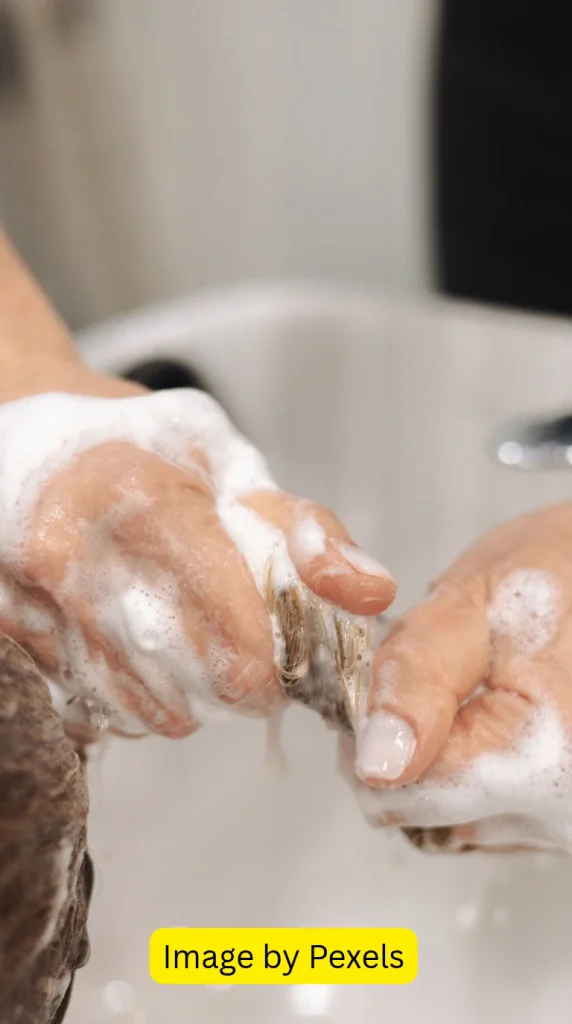
Conditioner helps hair feel smoother and easier to detangle. It can reduce friction during combing and improve manageability.
For fine or straight hair, applying conditioner mainly to the lengths and ends may prevent the roots from feeling heavy. For dry, curly, or coily hair, conditioning more of the length may be helpful.
A rinse-out conditioner and a leave-in conditioner are different products. Use each according to its instructions rather than assuming that every conditioner can be left in your hair.
Do you need hair oil or a hair mask?
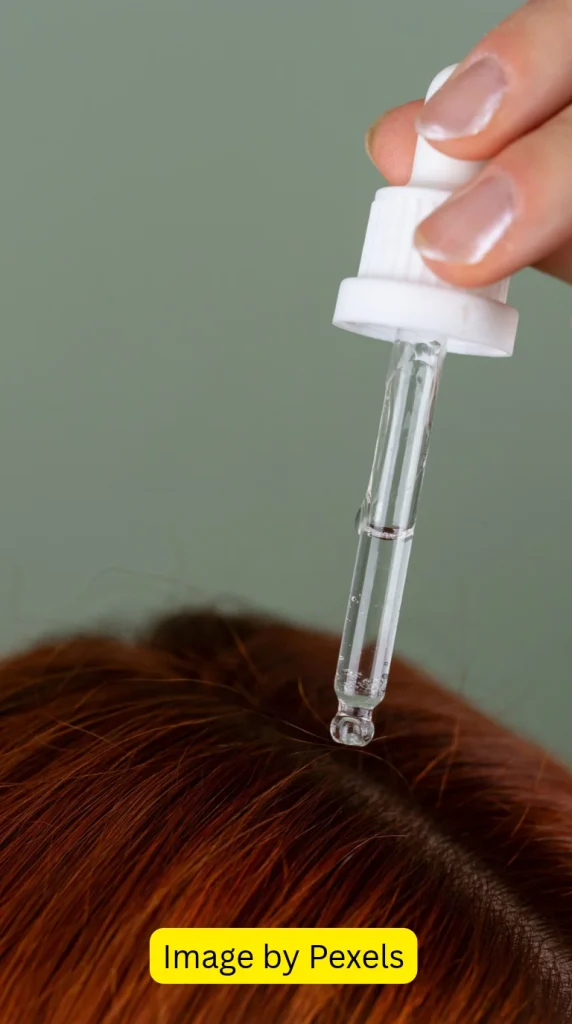
Not necessarily. Hair oils, masks, and deep conditioners may be useful additions if they address a specific need, but they are not essential for everyone.
If you decide to try one, introduce it gradually and observe how your hair responds. A product that makes one person’s hair softer may leave another person’s hair feeling coated or heavy.
4. Detangle Your Hair Without Causing Breakage

Rough brushing and forceful pulling can damage fragile strands. A gentle approach is especially important if your hair tangles easily.
Follow these steps:
- Divide long, thick, curly, or highly tangled hair into manageable sections.
- Apply a suitable detangling product or conditioner if needed.
- Hold a section gently to reduce pulling at the roots.
- Begin combing at the ends.
- Work gradually upward as the tangles loosen.
- If you encounter a stubborn knot, pause and loosen it carefully rather than pulling the comb through it.
A wide-tooth comb can be helpful for many people, but the best tool and timing depend on hair texture. Straight hair may be easier to detangle after it has dried somewhat, while curly or tightly coiled hair is often easier to detangle when damp and well-conditioned.
Avoid brushing simply to reach an arbitrary number of strokes each day. Detangle when needed and use enough care to avoid unnecessary friction.
5. Dry Your Hair Gently

Wet hair can be vulnerable to stretching and damage, so avoid rough handling after washing.
Instead of vigorously rubbing your hair with a towel:
- Gently squeeze out excess water.
- Wrap or blot your hair with a soft towel or suitable T-shirt.
- Detangle carefully using a method suited to your texture.
- Let your hair air-dry when convenient, or use a blow-dryer on a lower heat setting.
Air-drying is not a requirement for healthy hair, and the best drying method depends on your routine and hair needs. The important point is to minimize unnecessary heat and mechanical damage.
If you blow-dry regularly, avoid holding the dryer too close to your hair or concentrating intense heat on one section for too long.
6. Reduce Damage From Heat Styling
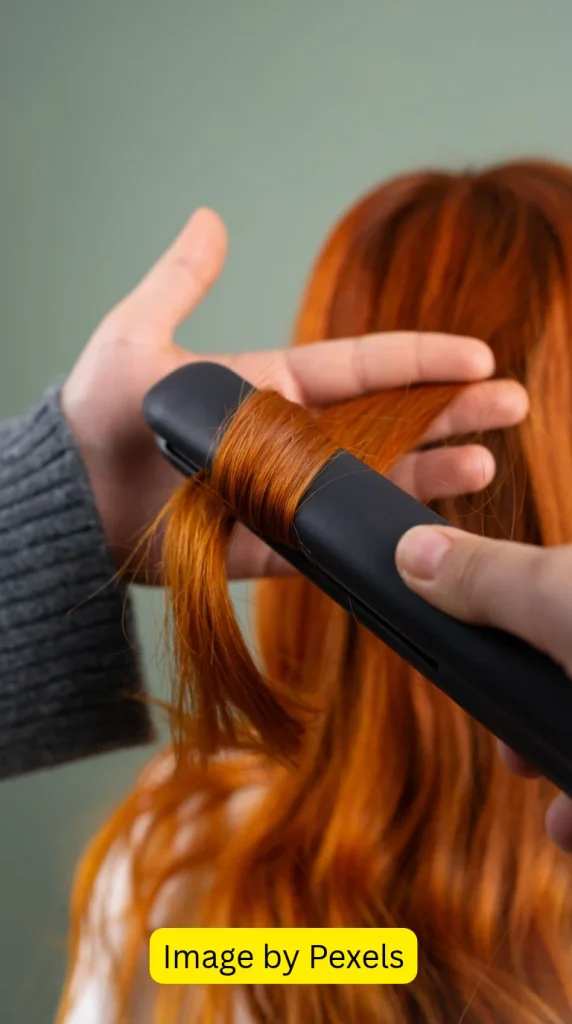
Flat irons, curling irons, hot combs, and blow-dryers can damage hair when used excessively or at high temperatures.
You can still style your hair while taking steps to reduce avoidable damage.
Heat-styling habits to adopt
- Use hot tools less frequently when possible.
- Choose the lowest temperature that achieves your desired result.
- Follow your heat-protectant product’s instructions.
- Avoid repeatedly passing a hot tool over the same section.
- Do not use a hot tool on hair that is wet unless the tool is specifically designed for that use.
- Give your hair breaks from heat styling when you can.
Heat protectants can help reduce certain forms of styling damage, but they do not make hair completely immune to heat.
If your hair is becoming increasingly brittle, rough, or prone to splitting, consider reducing heat and chemical treatments while you reassess your routine.
7. Avoid Hairstyles That Pull Too Tightly
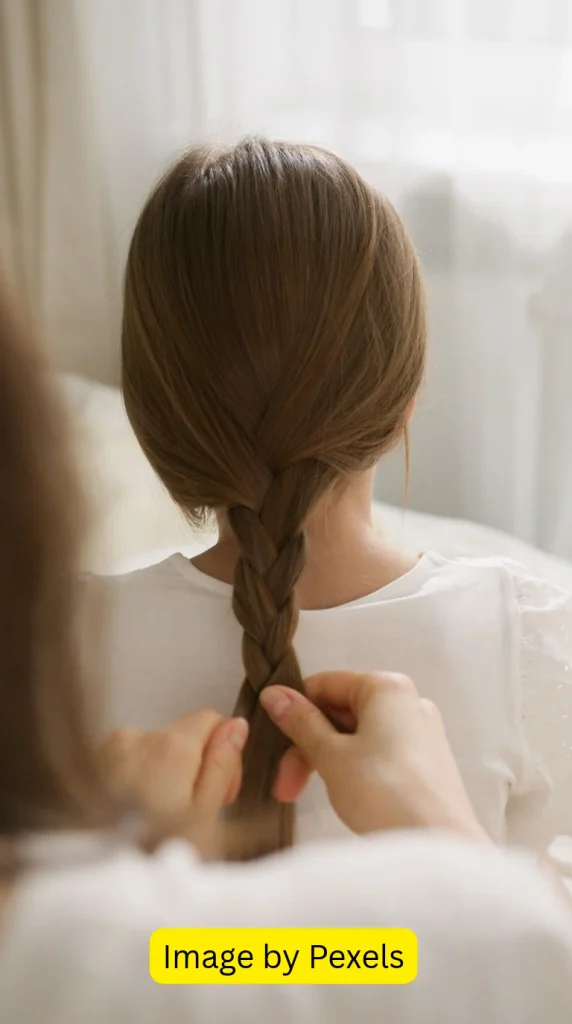
Tight ponytails, buns, braids, and extensions can place repeated tension on hair and the scalp.
Occasional styling is not the same as constant tension, but a hairstyle that causes pain, headaches, tenderness, or bumps around the hairline is too tight.
To reduce risk:
- Choose looser styles when practical.
- Alternate hairstyles instead of repeatedly pulling on the same areas.
- Use hair ties that hold securely without excessive tension.
- Be cautious with heavy extensions or styles that pull on fragile hair.
- Remove or loosen a style if it hurts or causes scalp irritation.
Repeated pulling can contribute to traction alopecia, a form of hair loss associated with tension. If you notice thinning around your hairline or other areas where a hairstyle pulls, stop the tension and seek advice from a qualified dermatologist.
8. Protect Your Hair From Everyday Wear and Tear
Small habits throughout the day can help reduce tangling and friction.
While sleeping

If your hair tangles overnight, try loosely securing it in a comfortable braid or another low-tension style. A smooth pillowcase or suitable hair covering may help reduce friction for some hair types.
Avoid tying your hair so tightly that it pulls at the roots while you sleep.
During swimming

Pool chemicals and salt water can leave hair feeling dry or difficult to manage. A swim cap can help reduce exposure, although it may not prevent all contact with water.
After swimming, rinse your hair and use a suitable shampoo and conditioner as needed.
In strong sunlight

A hat can help shield your scalp and hair from direct sun exposure. If you spend long periods outdoors, consider appropriate sun protection for exposed scalp areas as well.
During chemical treatments
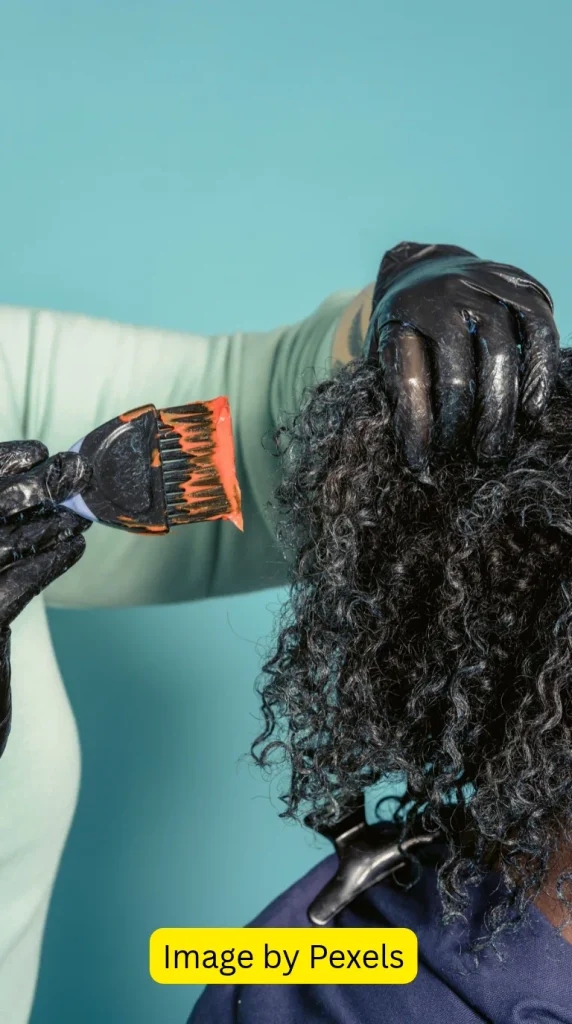
Coloring, relaxing, bleaching, and perming can weaken hair, particularly when treatments overlap or are used incorrectly. Follow product instructions carefully and consider a qualified stylist for services that involve significant chemical processing.
If your hair is already fragile or your scalp is irritated, avoid adding further chemical treatments until you have addressed the problem.
9. Build a Simple Hair Care Routine

A routine should be manageable enough to follow consistently. Start with the basics rather than buying a separate product for every possible concern.
Your regular routine
On wash days
- Shampoo your scalp according to its needs.
- Apply conditioner suited to your hair.
- Detangle gently.
- Dry with minimal friction and reasonable heat.
Between washes
- Refresh or restyle your hair as needed.
- Remove tangles gently.
- Avoid repeatedly using heavy products if they cause buildup.
- Keep hairstyles comfortable and low-tension.
Periodically
- Assess whether your products still meet your needs.
- Clean styling tools and combs when needed.
- Consider a clarifying product if buildup is a problem and the product is suitable for your hair.
- Trim damaged ends if you want to remove splitting or improve manageability.
You do not need to follow a rigid daily or weekly schedule if your scalp and hair do not require it. Let your actual needs guide the routine.
10. Common Hair Care Mistakes to Avoid
Some popular hair-care habits can be unhelpful, particularly when they involve unnecessary friction or tension.
Washing according to a fixed rule
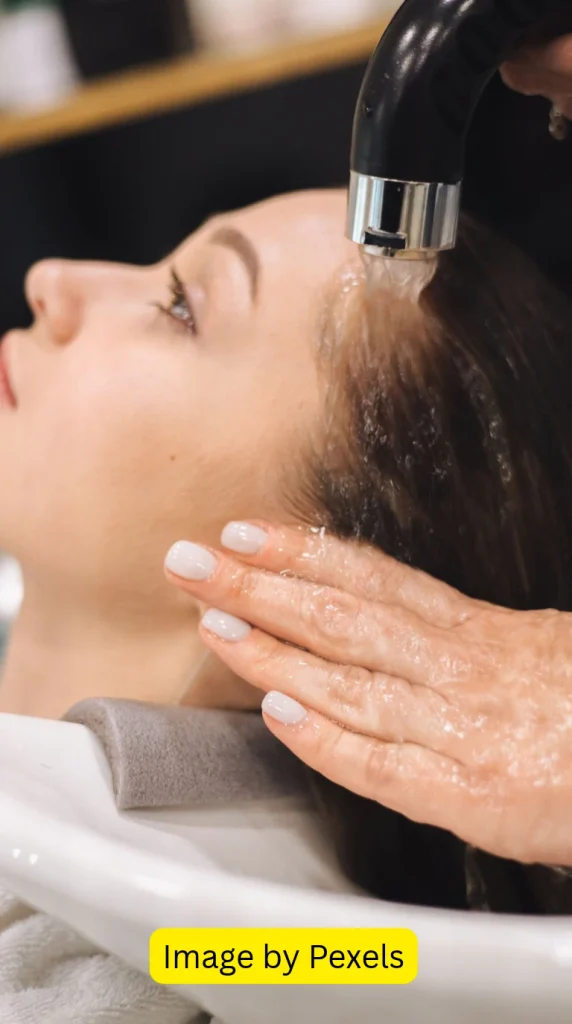
Not everyone needs to wash their hair the same number of times per week. Adjust your schedule to your scalp, hair texture, activity, and product use.
Applying shampoo aggressively to the lengths
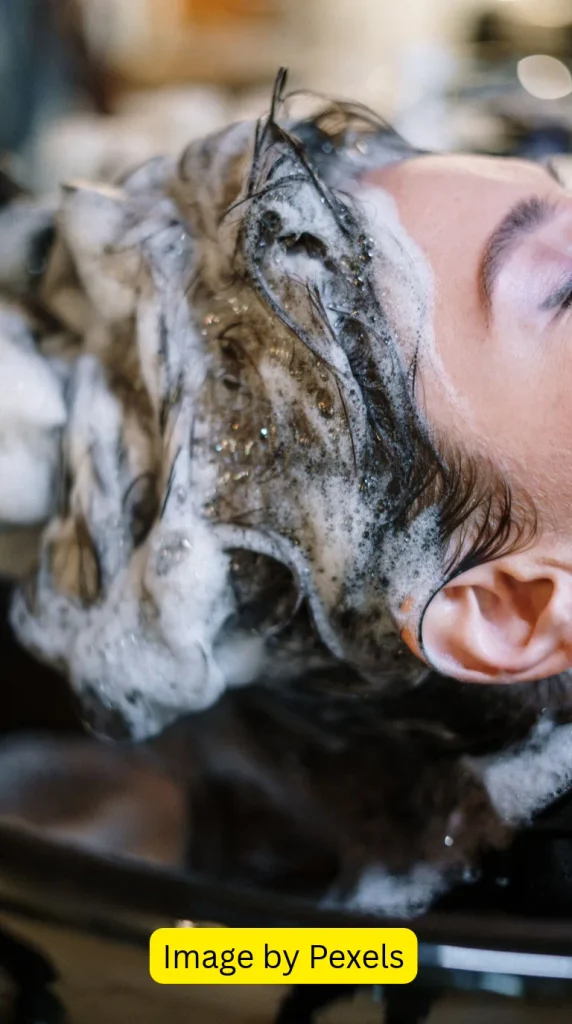
Concentrate shampoo on the scalp and rinse thoroughly. Aggressively rubbing the lengths can increase friction and contribute to damage.
Skipping conditioner
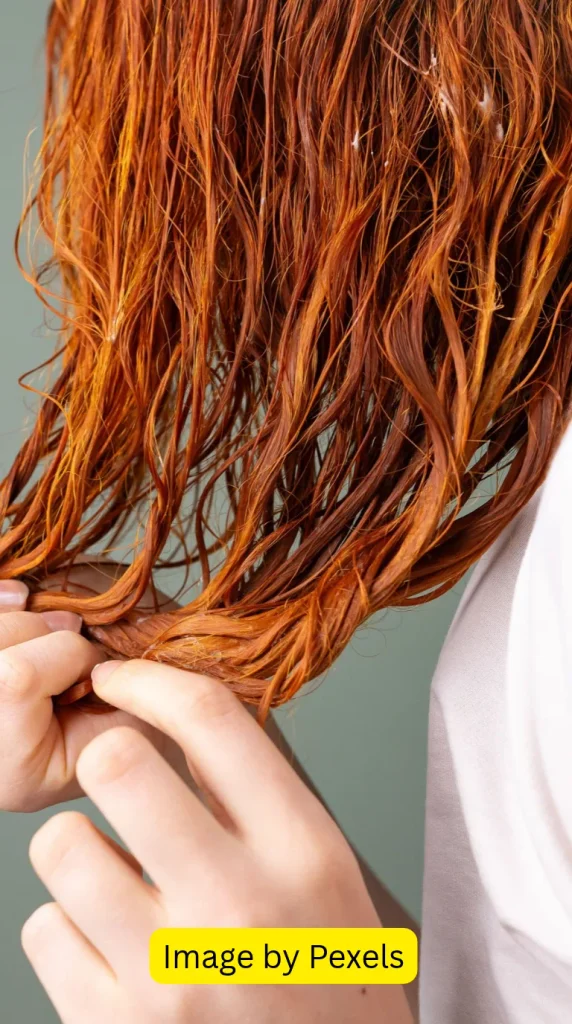
If your hair tangles easily or feels rough after washing, a suitable conditioner may improve manageability and reduce friction.
Brushing through knots
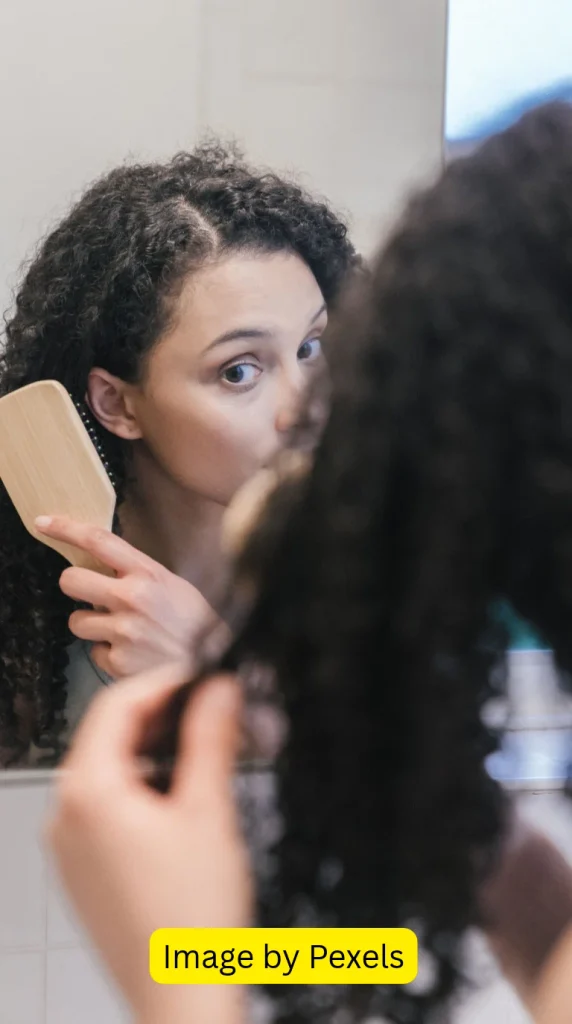
Pulling hard through tangles can break fragile strands. Work in sections and start at the ends.
Using too much heat
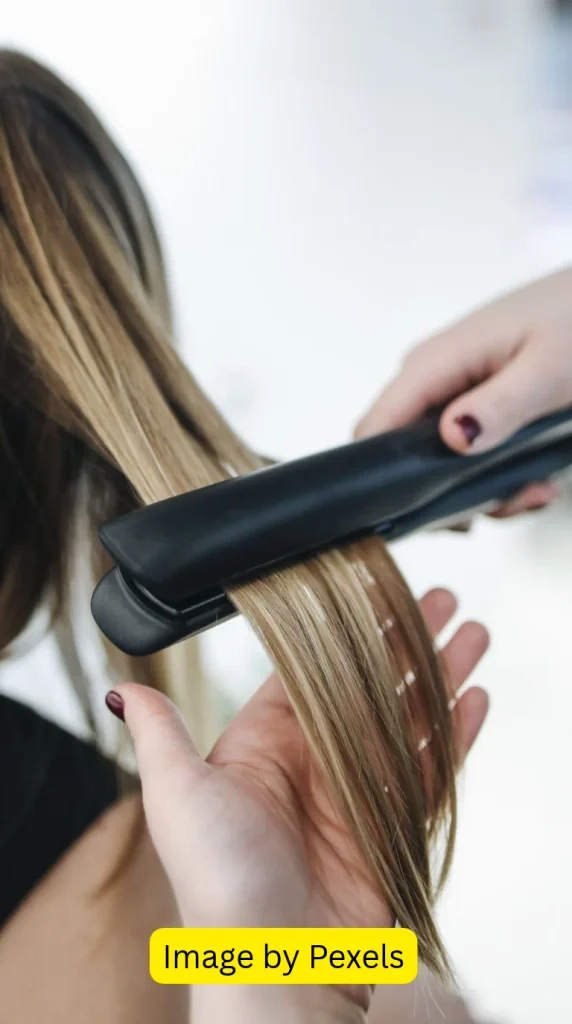
Repeated high-heat styling can weaken hair. Reduce the frequency and temperature when possible.
Wearing painful hairstyles

Pain or persistent tension is a warning sign, not something you need to tolerate for a style.
Buying products based on trends alone
A viral product is not automatically right for your hair. Choose products based on your actual needs, the ingredients and instructions, and how your hair responds.
11. When Should You Seek Professional Advice?
Hair-care adjustments can help reduce damage, but they cannot address every cause of scalp irritation, shedding, or hair loss.
Consider consulting a qualified healthcare professional or dermatologist if you experience:
- Noticeable or persistent hair thinning.
- Sudden or substantial hair shedding.
- Bald patches or changes in your hairline.
- Persistent scalp itching, pain, redness, or scaling.
- Symptoms that worsen despite changing products and improving your routine.
Hair loss can have many causes, including conditions that cannot be identified from appearance alone. Avoid relying on a single product or home remedy to diagnose or treat unexplained hair loss.
A dermatologist can assess your scalp and hair and recommend appropriate next steps.
Frequently Asked Questions
How often should I wash my hair?
It depends on how oily your scalp becomes, your hair texture, your activity level, and your product use. Wash often enough to keep your scalp clean and comfortable without making your hair excessively dry or difficult to manage.
What is the most important step in a hair care routine?
There is no single step that works for everyone. A useful starting point is to cleanse your scalp appropriately, condition your hair, detangle gently, and minimize excessive heat and tension.
Is it better to air-dry or blow-dry hair?
Both methods can fit into a hair-care routine. Air-drying reduces direct heat exposure, while careful blow-drying on a lower setting may be more practical for some people. Whichever method you choose, minimize rough handling and excessive heat.
Should I oil my hair every day?
No. Daily oiling is not necessary for everyone. Some people find certain oils useful for improving the feel and manageability of their hair, while others experience heaviness or buildup. Choose products based on your needs and use them according to their instructions.
Can I make my hair grow faster with a better routine?
A gentle routine can help reduce breakage, which may help you retain more of the length your hair grows. However, routine changes do not guarantee faster growth or treat every cause of hair loss.
Do I need expensive hair-care products?
Not necessarily. A suitable shampoo and conditioner, gentle detangling, and sensible styling habits are a practical foundation. More expensive products are not automatically more effective for your needs.
What should I do if my hair suddenly starts falling out?
Sudden or substantial shedding deserves professional assessment, particularly if you notice bald patches, scalp symptoms, or other changes. Do not assume that changing shampoo alone will resolve the problem.
Final Thoughts
Learning how to take care of your hair starts with understanding your scalp and strands, choosing suitable products, and treating your hair gently. You do not need an elaborate routine to make thoughtful improvements.
Start with appropriate washing, conditioning, gentle detangling, and less damaging styling habits. Then adjust your routine according to your hair’s texture, scalp condition, and daily life.
If you notice persistent scalp problems or unexplained hair loss, seek professional advice instead of relying exclusively on cosmetic products.
A good hair-care routine is one you can maintain consistently and adapt when your needs change.